
You open the NHS App. Your ECG result is there, and it says “abnormal.” Your appointment is days away. Now what?
Take a breath. An abnormal ECG often means your trace doesn’t match the textbook. It doesn’t automatically mean something is wrong with your heart. Plenty of healthy people get this result.
This guide explains what the word means, when to act fast and what usually happens next. If you are wondering what might cause an abnormal ECG, our article on 10 surprising causes will tell you more.
New to ECGs? Start with our guide to how an ECG works.
What “abnormal” actually means on your report
An ECG doesn’t give a pass or fail. It measures your heart’s electrical signals against a set of standard ranges. If anything falls outside those ranges, the report can say “abnormal.”
That can be a big thing or a tiny one. A heart rate a few beats below the range counts. So does a wave that’s slightly the wrong shape.
Abnormal, borderline or “otherwise normal”
You might see a few different phrases:
- Abnormal ECG: at least one measurement is outside the standard range. It says nothing about how serious that is.
- Borderline ECG: something is slightly outside the range, but not clearly abnormal. Often it needs no action.
- Otherwise normal ECG: there’s one finding, but everything else looks fine.
None of these is a diagnosis. Your doctor puts the result together with your symptoms, history and age to decide what it means.
Why healthy hearts get “abnormal” results
The standard ranges are based on averages, but real people aren’t average…
Here are the most common reasons a healthy heart gets flagged.
Normal variants
Some findings show up often in healthy people. Doctors call them normal variants. Without symptoms, they usually need no follow-up:
- Sinus arrhythmia: your heart rate speeds up when you breathe in and slows when you breathe out. It’s very common, especially in younger people.
- A slow heart rate (sinus bradycardia): a resting rate under 60 can be perfectly normal, especially if you’re fit.
- Early repolarisation: a small bump in one part of the wave. It’s common in young, active people, and machines often misread it.
- Incomplete right bundle branch block: a slight delay in the signal reaching one side of the heart. It’s common and usually harmless.
- A single extra beat: one early beat (an ectopic beat) in a 10-second strip is common in healthy people.
Your fitness
Regular training changes the heart. A fit heart is often bigger and slower. It can show patterns that look like a problem on paper but are simply signs of fitness. Runners, cyclists and footballers get flagged a lot.
Your age, sex and background
What’s normal shifts with age. It also differs between men and women. Research on athletes shows that people of Black African or Caribbean descent are more likely to show some patterns that machines call abnormal. For them, these patterns can be normal.
Your body
Your build, the position of your heart in your chest and even breast tissue can change the size of the waves. A slim young person can show tall waves. A machine may read these as a thickened heart wall.
The recording itself
A loose sticker, a shiver or tense muscles can add noise to the trace. Nerves make tense muscles more likely. Our guide to how an ECG works explains more about these recording errors.
Findings your doctor will want to look at more closely
Some findings do need a follow-up. That doesn’t mean bad news. It means your doctor wants more information before deciding anything.
These usually get a closer look:
- An irregular rhythm, such as atrial fibrillation (AF). The top chambers beat out of step. AF is common, especially with age, and very treatable.
- Some types of heart block. The signal is delayed or blocked on its way through the heart. Mild types are often harmless. Others need checking.
- Signs of strain or a thickened heart wall. These can point to high blood pressure or a valve problem. An echo (heart scan) can confirm it.
- Changes that may suggest an old heart attack or reduced blood flow. These need checking with other tests.
- A long QT interval. The heart takes longer to reset between beats. Some medicines can cause this, so bring a list of everything you take.
Don’t try to diagnose yourself from this list. One finding can have many causes. Your doctor will look at the whole picture.
Words you might see on your report
ECG reports use a lot of shorthand. Here’s what the common terms mean in plain words.
| Term on your report | What it means |
|---|---|
| Sinus rhythm | Your heart’s natural pacemaker is in charge. This is normal. |
| Sinus bradycardia | A normal rhythm, but slower than 60 beats a minute. Common in fit people and during sleep. |
| Sinus tachycardia | A normal rhythm, but faster than 100 beats a minute. Nerves, caffeine or fever can cause it. |
| Sinus arrhythmia | Your heart rate changes as you breathe. Usually normal. |
| Ectopic beats (PACs or PVCs) | Extra, early heartbeats. Very common and usually harmless. |
| Atrial fibrillation (AF) | An irregular rhythm from the top chambers. Needs follow-up. |
| Bundle branch block (RBBB or LBBB) | A delay in the signal reaching one side of the heart. Right-sided is often harmless. Left-sided usually needs more tests. |
| First-degree heart block | A small, steady delay in the signal. Often harmless, especially in fit people. |
| LVH | Short for left ventricular hypertrophy. The waves suggest a thicker heart wall. Often checked with an echo. |
| ST or T wave changes | The part of the trace where the heart resets looks different. Has many causes, from harmless to important. |
| QT interval | How long the heart takes to reset between beats. Too long can need attention. |
| Axis deviation | The overall direction of the heart’s signal is tilted. Often down to body shape. |
| Borderline ECG | Slightly outside the normal range, but not clearly abnormal. |
What happens next in the UK
Here’s the usual path after an ECG on the NHS.
- A trained person reads it. A cardiac physiologist or doctor checks the trace and interprets what it means for you specifically.
- The report goes to whoever sent you. That’s usually your GP or a hospital team. The person who did the test often can’t explain the result to you on the day.
- You get the result. That can be the same day or a few weeks later. You might see it in the NHS App before anyone calls you.
- Your doctor decides the next step. That might be nothing at all, a repeat ECG or more tests.
If your doctor needs more information, they may suggest a blood test, a heart scan (echo) or longer heart monitoring. Our guide to other heart tests explains each one.
Waiting for a cardiology appointment can take months. Our guide to skipping the cardiology waiting list explains your options.
Haven’t heard anything? Don’t assume no news is good news. Call your GP surgery and ask.
What to do whilst you wait for your results
Waiting is the hardest part. These steps help you feel in control and get more from your appointment.
- Don’t google the trace. Search results can’t see your history. They’ll scare you more than they help.
- Ask for a copy of the report. You’re entitled to it. The written report says more than the word “abnormal.”
- Write down your symptoms. Note the date, time, what you felt and what you were doing. No symptoms? Write that down too. It matters.
- List your medicines. Include supplements and anything you buy over the counter. Some affect the ECG.
- Note your family history. Any heart problems or sudden deaths in close family under 60 are worth mentioning.
- Prepare your questions. Start with our list of questions to ask your doctor.
- Start a heart folder. Keep your reports, readings and notes in one place. Our smartwatch and Holter guide shows you how.
And go easy on yourself. Feeling anxious after a result like this is normal.
When a 10-second ECG isn’t enough
A standard ECG records about 10 seconds of your heart. That’s fine for spotting some problems. But if your symptoms come and go, the ECG can easily miss them.
This is common with palpitations, dizzy spells and fainting. Rhythm problems like SVT can be gone by the time you’re hooked up.
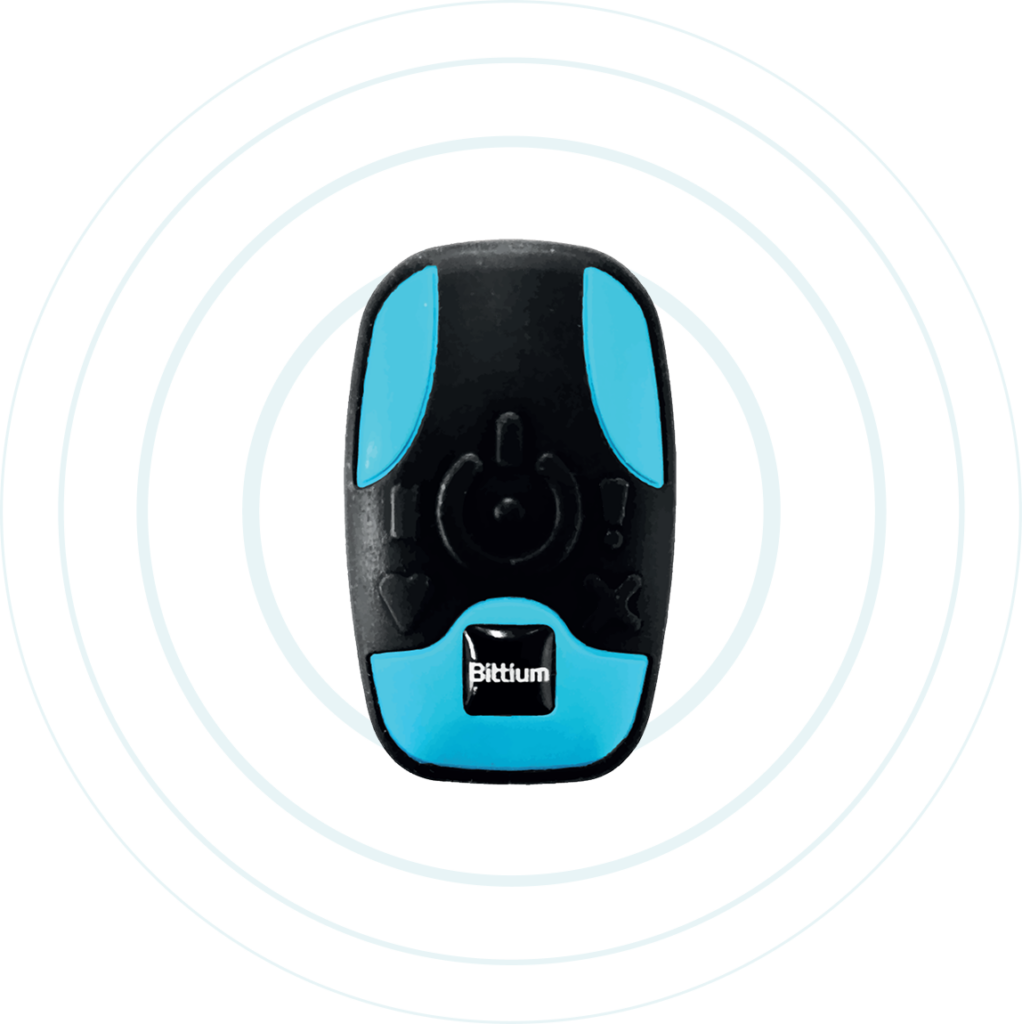
A Holter monitor records every beat for days, while you live your normal life. Your doctor can then match your symptoms to what your heart was doing at the time. Find out what wearing a Holter is like.
You don’t need a referral to get one. Your Heart Check sends a 3-day Holter monitor to your door. And you get a report to share with your doctor. See how it works.
FAQs
Often, no. Many abnormal results are normal variants or recording errors. Some do need follow-up. Your symptoms and your doctor’s review determine which it is.
Something is slightly outside the normal range, but not clearly abnormal. It often needs no action. Your doctor may compare it with an older ECG or repeat the test.
It can affect the result. Anxiety can speed up your heart and make your muscles tense. Both can change the trace. It can’t create every type of finding, though, so let your doctor decide.
Yes. Machines misread traces, and stickers can slip. That’s why a trained person checks every ECG. A normal ECG also can’t rule out problems that come and go.
Not always. Your GP can handle many findings. If you need a specialist, your GP will refer you.
If you feel well and have no symptoms, ask your GP before changing anything. Stop and get help if you get chest pain, feel faint or get very breathless while exercising.