
Published in support of SVT Awareness Day, Wednesday 3 June — World Heart Rhythm Week 2026 (#WHRW2026)
It happens out of nowhere. You’re sitting at your desk, perfectly calm, when your heart suddenly hammers away at what feels like twice its normal speed. Your chest tightens. You feel breathless, slightly dizzy, maybe a little anxious. You glance at your watch and wonder if you should call someone.
And then, just as you are about to decide — it stops.
What on earth was that?
If this sounds familiar, you are not alone. And there’s a good chance no one has been able to tell you exactly what just happened, and it’s because conditions like SVT are notoriously difficult to catch.
What Is SVT?
SVT stands for Supraventricular Tachycardia. Sometimes called pSVT, or paroxysmal SVT. It’s a condition where an electrical fault above the heart’s lower chambers causes the heart to suddenly beat far faster than it should, sometimes reaching 150 to 250 beats per minute, compared to a normal resting rate of 60 to 100.
According to Arrhythmia Alliance, approximately 35 people in every 100,000 are affected by SVT, and the condition affects millions globally. It can begin at any age, though many people have their first episode between 25 and 40. It is not usually life-threatening, but it can be frightening and – for those who experience frequent episodes – genuinely distressing to live with.
Why SVT So Often Goes Undiagnosed
Doctors call SVT an intermittent arrhythmia. It comes and goes on its own terms, entirely uninvited, and leaves no trace behind once it passes. Your heart rhythm between episodes can look completely normal on a standard test.
This creates a frustrating diagnostic gap. When you describe your symptoms to your GP – a sudden racing heart, dizziness, breathlessness – they will often refer you for an ECG. That’s the right instinct. The problem is that a standard ECG at a GP surgery or outpatient clinic typically records your heart rhythm for just a few seconds, or at most a few minutes.
If you’re not having an episode during that precise window, the ECG shows nothing unusual. You leave with a clean result and no answers. Many people with SVT go through this cycle repeatedly – sometimes for years – before receiving a diagnosis.
Why Continuous Monitoring Changes Everything
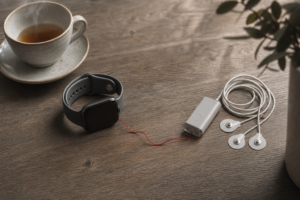
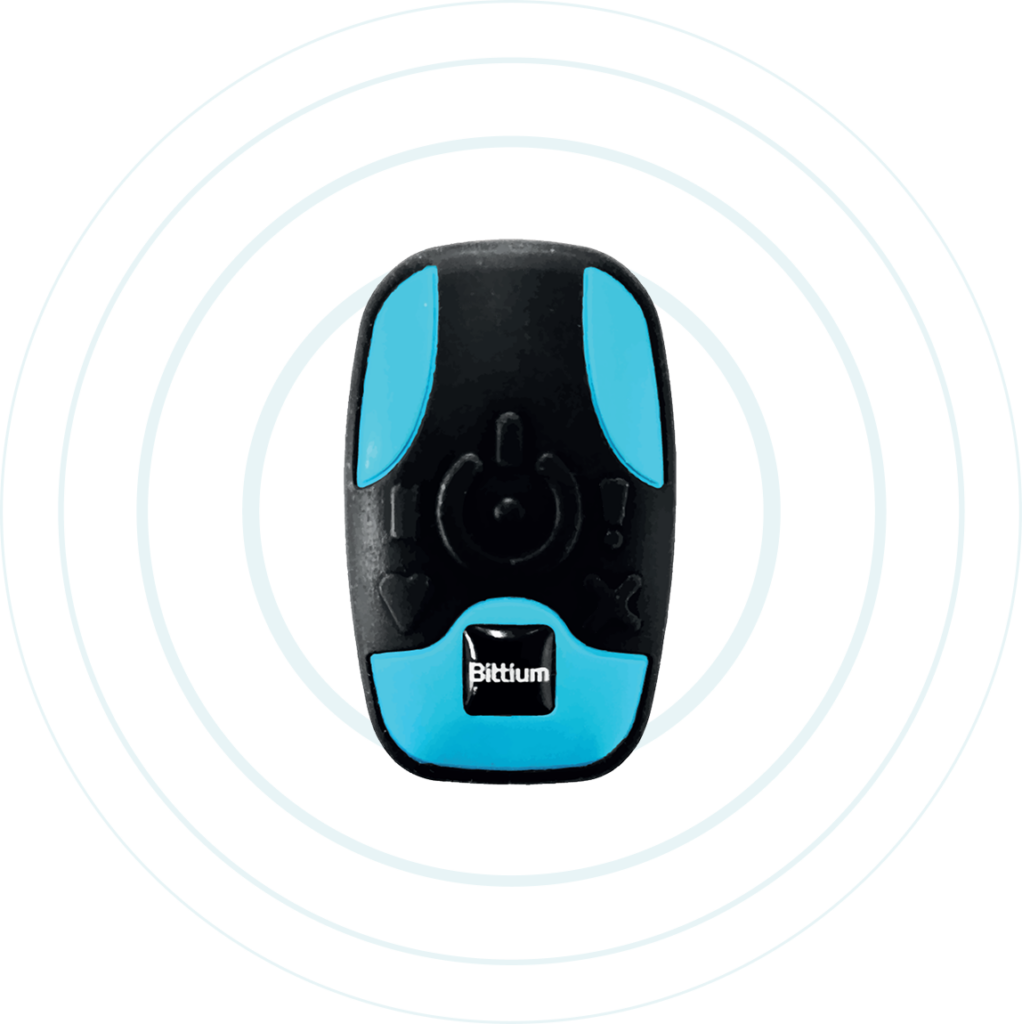
A Holter monitor is a small, wearable device that records your heart’s electrical activity continuously for 24, 48, or even 72 hours. Wearing one while you go about your normal daily life dramatically increases the likelihood of capturing an episode as it actually happens.
Think of it this way. If your car intermittently makes a strange noise but only when you’re driving on the motorway, your mechanic isn’t going to find anything by listening to the engine in the garage for thirty seconds. You need them to record it on the road. Extended Holter monitoring is the cardiac equivalent of that.
How Your Heart Check Can Help
At Your Heart Check, we’ve built a clinical-grade Holter monitoring service specifically designed to give you that extended window of insight, from the comfort of your own home, without the need for a hospital appointment.
Founded by Dr Chris Crockford – who brings a background in precision telemetry from Formula 1 with McLaren – Your Heart Check applies the same data-driven rigour to cardiac monitoring that elite motorsport applies to performance analysis. Every beat matters, and every beat is captured.
This SVT Awareness Day, Take Your Symptoms Seriously
Wednesday 3 June is SVT Awareness Day – part of World Heart Rhythm Week 2026 (#WHRW2026) – a moment to shine a light on a condition that affects millions of people who deserve answers.
If you have been experiencing episodes of a sudden racing heart, unexplained breathlessness, dizziness, or palpitations – and especially if you’ve already had a normal ECG result that left your symptoms unexplained – please don’t assume everything is fine. A normal short ECG does not rule out SVT.
Your symptoms deserve more than a thirty-second snapshot. You deserve a full picture.