
How to Check Your Heart Health at Home (Without Panicking)
We all have our reasons. Sometimes it’s because we don’t want to wait 18 weeks for a referral. Sometimes it’s because we were told to ‘keep an eye on it,’ so we decided to do just that. Or sometimes it’s because we want to just make sure everything is a-okay.
Whatever the reason, you can check your heart health without having to go to the doctors to do it.
Let’s have a look at what ‘checking your heart at home’ would actually look like, but…
Before we get into the nitty-gritty of how to check your heart health at home, let’s briefly – and in as easy-to-understand a way as possible – talk about what to check about your heart. Because you can check a lot of things about a lot of things, and we want to help you decide which things you should check, and when.
Plus, we are aware that a lot of information on the internet is written in a way that would require a medical degree just to find the word ‘heart’ in it, and we think there is just no need to show off with medical jargon; we would much rather use plain English.
So… Without any further ado…
What Does “Checking Heart Health” Really Mean?
As you probably know, a heart is a muscle. Its job is to pump blood around the body, delivering oxygen, nutrients, hormones, and other important substances to various parts of the body. Since it’s a pump, it needs to keep the blood at the right pressure and ensure it flows fast enough to reach the right places at the right time. To make the second part work, it needs to beat fast enough (heart rate) and consistently (heart rhythm).
Just like a mechanical pump, the heart can wear down over time – especially if it is made to work harder than it should be. In a standard pump, running it at too high a pressure, with contaminated fluid, or without proper maintenance will strain its components, clog its valves, and degrade its performance. The heart is no different. High blood pressure, a buildup of fatty deposits, smoking, and excess blood all erode the heart’s performance.
And unlike a mechanical pump that can simply be switched off, the heart must run continuously for a lifetime, which is why these risk factors compound so insidiously: there is no downtime for recovery, no scheduled service interval, only the slow accumulation of damage that can eventually lead to heart failure, heart attack, or stroke.
The good news is that there are simple tests you can do at home to check whether your heart is healthy.
Simple Ways to Check Your Heart Health at Home
Currently, there is no single device that can give you the full picture of how healthy your heart actually is. Blood test kits answer different questions than heart rate monitors (e.g., a smartwatch). Heart rate monitors answer different questions than heart rhythm monitors (such as a Holter monitor). Whilst you can probably instinctively understand the different results your blood tests and heart monitoring will give you, the difference between heart rate monitoring and heart rhythm monitoring might not be as obvious. Nevertheless, the difference between them is important.
First, though, let’s briefly talk about the blood tests.
They will tell you about the quality of the fluid your heart pumps throughout your body – your blood. You can order them online; they’re delivered to your door, and a simple finger prick collects a small blood sample to send back to the lab. A few working days later, and – depending on the type of test you chose – you will receive information about your cholesterol, lipids, and other biomarkers that affect the health of your heart.
If you know your diet hasn’t been the best for a while, getting a blood test might be worth considering. Search for “at-home blood test kit for heart health” to see a list of companies that offer these tests.
Next, let’s look at how to check blood pressure at home.
There are many blood pressure monitors available to purchase. They all work, more or less the same way – a short squeeze of your arm and you get a reading. Should you invest in a device like this? Only you can answer this question. If you had high blood pressure readings in the past, this might be something you want to keep an eye on more regularly.
Now that we’ve checked the fluid, it’s time to check the pump itself. As we’ve mentioned, both heart rate and heart rhythm are important.
Let’s start with heart rate.
You can check your pulse (heart rate) without buying any kit at all. All you need is your index and middle fingers pressed against the side of your neck, and a watch. Count the number of beats in one minute, and you’ll get an idea of what your pulse is. The British Heart Foundation has a great guide on how to check your pulse correctly.
Of course, these days many of us wear very sophisticated watches. A smartwatch will monitor your heart rate continuously throughout the day and night. They can even alert you when your heart rate is too low or too high – something many people find very useful, especially during exercise, as it helps them avoid pushing their bodies too hard and overdoing it.
In fact, this feature of a smartwatch can be very attractive and is often the reason someone would invest in one. Knowing that this very unintrusive but reliable method of monitoring your heart can be very reassuring.
Keep in mind that context matters here. High heart rate whilst you’re climbing Helvellyn is fine, but whilst you’re sitting down relaxing in the evening — not so much.
The temptation to own a smartwatch because of its health-monitoring features doesn’t stop there. Smartwatch makers increasingly offer an ECG feature. This test looks at heart rhythm – how regularly your heart beats.
Now about the heart rhythm
How effective a smartwatch is at checking your heart rhythm is something we cover in our article, where we compare a smartwatch with an ECG monitor.
The challenge with checking your heart rhythm is that the symptoms can often come and go.
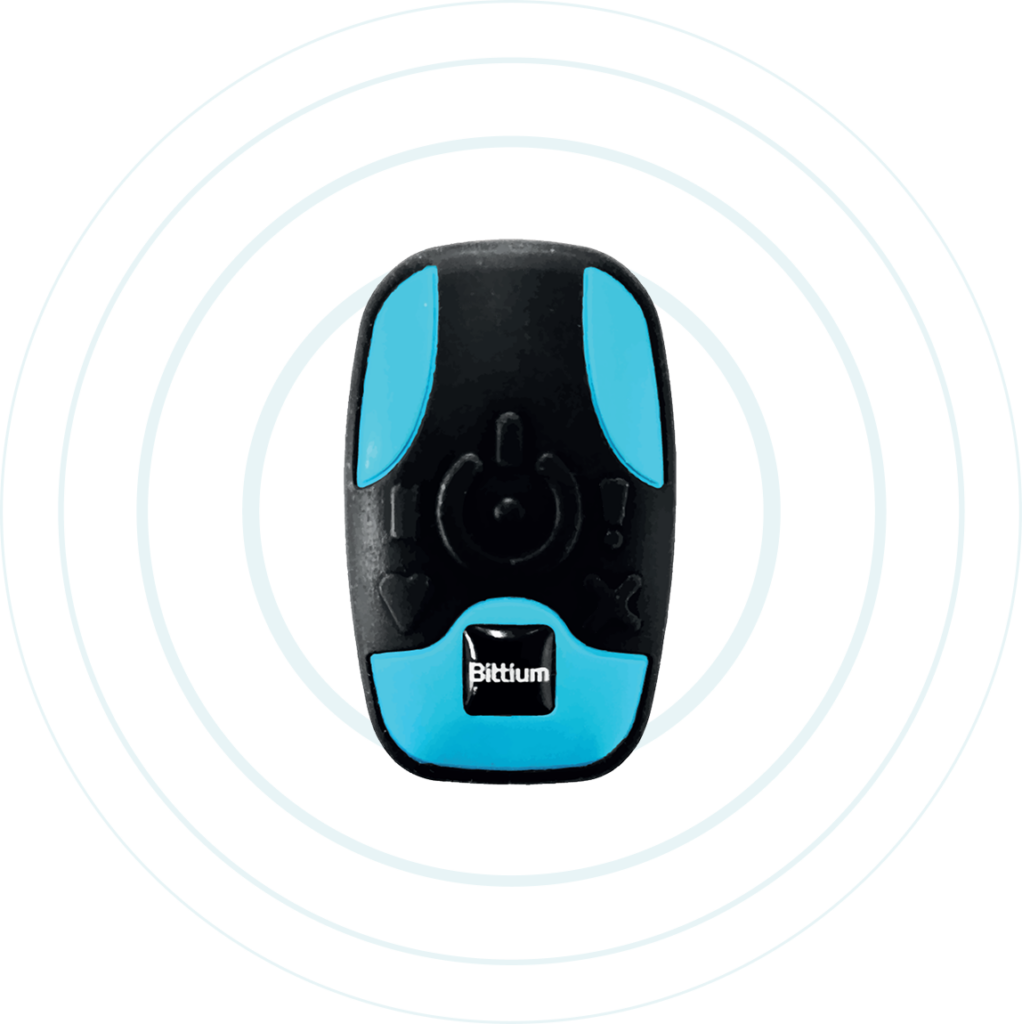
To diagnose a problem with your heart’s rhythm, an irregularity has to be caught in the act. A clinical-grade device that can do that is a Holter monitor, and it is a device your doctor would recommend if you had symptoms of a heart rhythm problem such as heart palpitations, dizziness, chest discomfort, shortness of breath, and fatigue, but the standard ECG test came back normal.
A Holter is a small portable device that you wear continuously for 24 to 72 hrs. There isn’t very much to it, really. You go about your day whilst the device records every beat of your heart. After that, you send the device back for analysis, and you receive a report with your results.
What to Do With Your Results (Without Getting Lost in the Data)
That’s pretty much it.
By now, you should have a solid set of results to help you check your heart’s health at home. We’ve checked your blood, blood pressure, heart rate and heart rhythm, giving you a great starting point for understanding how your heart is doing.
All the tests we’ve discussed here will give you detailed insight into your heart. But we also appreciate that they will likely give you so much information that it can feel a little overwhelming.
Medical jargon aside, understanding how all these pieces of information link together does require a certain level of medical knowledge. But interpreting the data is not what you have to be good at here.
The best thing you can do is to advocate for your heart by methodically documenting every symptom, every test and every question you have about your heart’s health.
Joining the Dots: Symptoms, Watch Readings and Holter Reports
Here is what we recommend:
Start a folder on your computer (or if you prefer, a physical one). Label it ‘My Heart Check’. In this folder, save (or print out):
- Blood results, dated. (Your cholesterol six months ago tells a different story to your cholesterol now.)
- Smartwatch ECG screenshots, with date, time, and what was happening. (Context turns “sinus rhythm” into something useful.)
- Your Holter report, raw squiggles included. (Yes, even the bits you don’t understand — your doctor will.)
- A symptom diary. Date, time, what you were doing, where you were. (Future-you will thank present-you for this.)
- The messy extras: family history, what you’ve actually been eating, that brutal quarter at work. (Your heart doesn’t separate these from “real” medical facts, so neither should your folder.)
It will feel like oversharing, but only for the first 10 seconds or so, because when you walk into your doctor’s office and drop that on their desk, the conversation changes. No longer “tell me what’s been happening,” but “let’s look at what’s actually going on.”
No one understands your heart better than you. Keep this folder updated; it will speed up the process of receiving a referral, diagnosis, or treatment.
Most of all — stay heart-happy.