
Published for World Heart Rhythm Week 2026 #WHRW2026
One minute you are standing in a queue at the supermarket, and the next, someone is hovering over you asking if you’re alright. You feel embarrassed – you’re conscious again, nothing obviously broken, your heart seems fine – so you brush it off. ‘I just fainted’, you answer.
Most of us would do exactly the same thing. We’d brush it off.
But here’s what this World Heart Rhythm Week 2026 wants every adult in the UK to know: for some people, fainting isn’t just a blip, and it may deserve a closer look. It’s the body’s only warning that something more serious is happening with the heart.
What Is Syncope And Why Do We Dismiss It?
The medical word for fainting is syncope (pronounced SIN-co-pee). It happens when blood flow to the brain briefly drops, causing a sudden, temporary loss of consciousness. You may feel lightheaded or nauseous first; your vision may narrow, and then – if you haven’t sat or lain down in time – you lose consciousness entirely.
Around 50% of people will faint at least once in their lifetime, according to the World Heart Rhythm Week 2026 campaign. That staggering statistic is partly why we don’t take it seriously: it feels common, almost ordinary. We tell ourselves we were dehydrated, hadn’t eaten enough, or simply got up too fast. More often than not, a well-meaning GP agrees and sends us on our way with advice to drink more water.
And sometimes, that’s completely correct. Vasovagal syncope – the type triggered by emotional stress, heat, or prolonged standing – is the most common form and is generally harmless. But “most common” and “the only type” are very different things.
The Link Between Fainting and Heart Rhythm Disorders
What many people don’t realise is that fainting can be a sign of a heart rhythm disorder, also known as a cardiac arrhythmia. These are conditions where the heart’s electrical system misfires, causing it to beat too fast, too slow, or in a completely irregular pattern. When that happens, the heart may temporarily fail to pump enough blood to the brain, and… down you go.
The European Heart Rhythm Association has highlighted that 1 in 3 people worldwide will develop a potentially life-threatening heart rhythm disorder in their lifetime, yet awareness remains critically low. Conditions such as atrial fibrillation, heart block, and ventricular tachycardia can all cause syncope, and in some cases, fainting may be the only outward symptom before a more serious event, including sudden cardiac arrest.
According to research published in the World Journal of Cardiology, arrhythmias are the most common cause of cardiac syncope, with patients carrying undetected cardiac syncope facing a 1-year mortality rate as high as 20–30%.
Why a Standard ECG Often Misses the Problem
If you do see your GP after a faint, the most likely investigation is a standard ECG (electrocardiogram). This records the electrical activity of your heart, but only for a matter of seconds, while you’re sitting still in the surgery.
Here lies the fundamental problem with arrhythmias: they are, by nature, intermittent. Your heart may be in perfect rhythm at 10:15 am on a Tuesday when the electrodes are attached. But at 6 pm on Thursday, while you’re climbing the stairs, it fires chaotically for thirty seconds. Long enough to make you collapse, short enough to leave no trace on a snapshot ECG.
This is not a failure of your GP. It’s a limitation of the tool. A brief resting ECG simply cannot record what it is not there to see.
Why a 3-Day Holter Monitor Changes the Picture
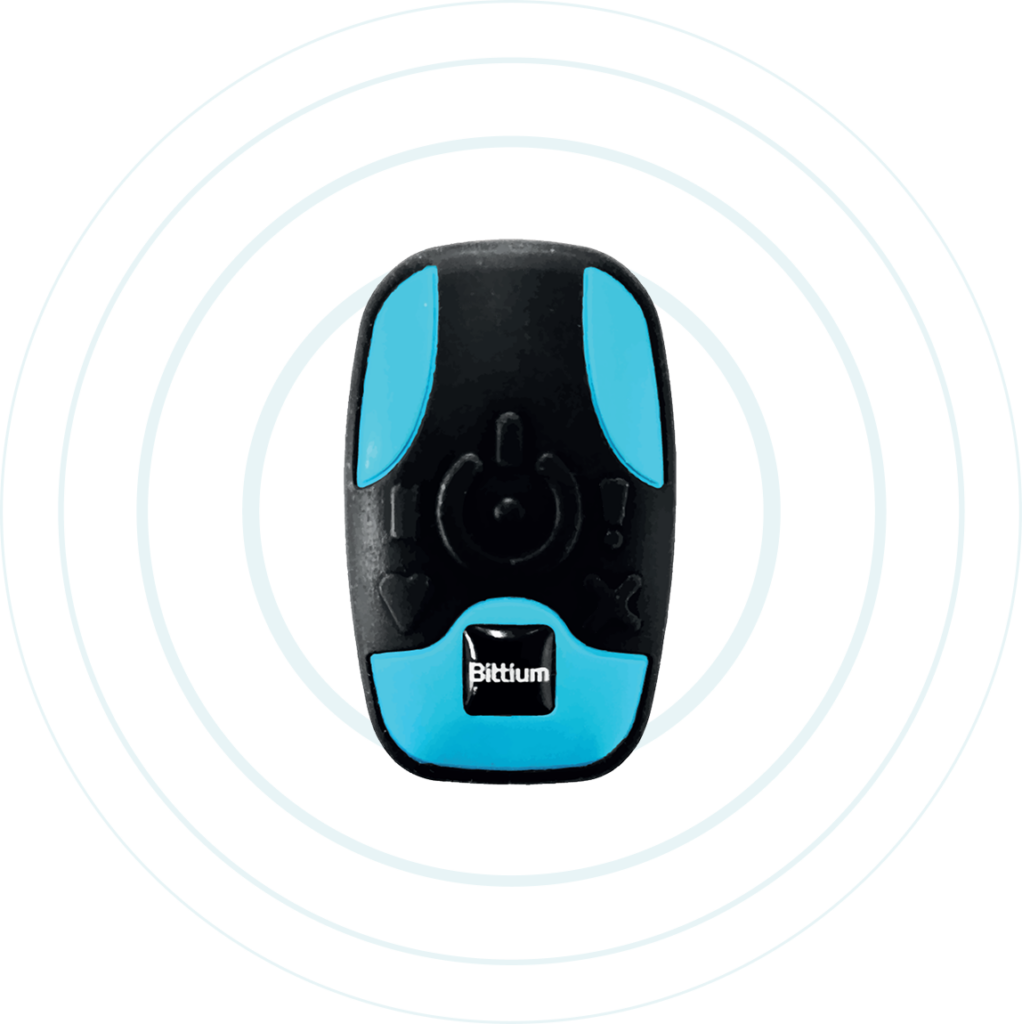
This is exactly where extended ambulatory monitoring – wearing a device continuously over several days – makes a meaningful difference. A Holter monitor records your heart’s electrical activity around the clock, through all your normal daily activities: sleeping, walking, cooking, exercising. The longer the recording window, the greater the chance of capturing an arrhythmia in the act.
At Your Heart Check, we’ve built this principle into everything we do. Our clinical-grade Holter monitoring service was developed with the same precision and data rigour that our founder, Dr Chris Crockford, applied during his years in Formula 1 telemetry with McLaren.
Here’s how it works: we send you a professional-grade Holter monitor directly to your door. You wear it for up to 3 days, going about your normal life. You then return the device, and within 7 days you receive a personalised clinical report – reviewed by a qualified clinical team – that includes full rhythm analysis, Heart Rate Variability (HRV) data, and our patented Blood Pressure Index (BPI). No hospital waiting list. No referral letter required.
Taking Fainting to Heart This WHRW2026
The theme of World Heart Rhythm Week 2026 is “Take Fainting to Heart”, and that’s exactly what we’re asking you to do.
If you or someone you love has fainted – even once, even years ago – and the cause was never properly investigated, please don’t let it remain a mystery. A 10-second ECG at your GP surgery is a starting point, not a conclusion. If your symptoms are unexplained, intermittent, or recurring, a 3-day Holter recording is one of the most valuable next steps you can take.
Get in touch with us to find out more about how our at-home clinical Holter monitoring service works, what’s included in your personalised report, and how to order your monitor today.
Your heart has a story. This World Heart Rhythm Week, make sure you hear it.
Resources:
- ESC – Global surge in serious heart rhythm disorders
- World Journal of Cardiology – Arrhythmic syncope
- Mayo Clinic – Holter monitor overview