
Published in support of World Heart Rhythm Week 2026 (#WHRW2026)
You know the feeling.
You wake up the morning after a few drinks – maybe a birthday dinner, a Friday night out, a wedding – and your heart is doing something odd. Not painful, exactly, but odd enough for you to notice.
The sensation is strange to describe: a fluttering, a thudding, or a strange racing. It certainly wasn’t there when you went to bed…
You assume it’s dehydration and after a glass of water, you get on with your day.
It’ll sort itself out… right?
But what if your heart was trying to tell you something?
It might surprise you to know that what you had experienced has a name in cardiology.
This week, as part of World Heart Rhythm Week 2026, it’s exactly the kind of thing the medical community is shining a light on. On Monday 1 June, the WHRW virtual coffee morning focuses specifically on alcohol consumption and atrial fibrillation – a topic featuring the expertise of Professor Gregory M. Marcus, one of the world’s leading researchers in this field.
It’s a conversation that deserves a wider audience, and we decided to join in and help spread the word.
What is Atrial Fibrillation, and Why Should You Care?
Atrial fibrillation, or AFib, is the most common abnormal heart rhythm in the UK. According to British Heart Foundation, around 1.7 million people in the UK have been diagnosed with it, but because AFib is often silent, tens of thousands more are almost certainly living with it undetected.
In AFib, the heart’s upper chambers (the atria) fire chaotically instead of in a steady, organised rhythm. Instead of a clean pump-and-fill cycle, you get an electrical storm. The heart may beat too fast, too slow, or irregularly – sometimes all three at once.
The consequences can range from a mild flutter you barely notice to a significantly elevated risk of stroke. People with AFib are up to five times more likely to have a stroke if their risk isn’t managed effectively, and AFib contributes to one in five strokes in the UK.
It is, in short, something worth knowing about, especially if your lifestyle includes regular social drinking.
“Holiday Heart Syndrome”: The Clue Was Always There
The link between alcohol and heart rhythm disturbance has been documented in cardiology for decades. The phenomenon even has its own name: Holiday Heart Syndrome.
The term was coined in the 1970s to describe a pattern that kept appearing in emergency departments: patients presenting with new-onset AFib, often after a weekend or holiday period of heavier-than-usual drinking, with no obvious underlying heart disease. Many of these episodes resolved on their own within 24 hours, but they were real, and they pointed to something important.
The data since then has become increasingly precise. A landmark study presented at the American College of Cardiology’s 70th Annual Scientific Session found that just one glass of wine, beer, or spirits was associated with a two-fold greater chance of an AFib episode occurring within the next four hours. With two or more drinks in a single sitting, that risk more than tripled.
A 2025 literature review published in Cureus via the NIH confirmed the underlying mechanism: alcohol disrupts the autonomic nervous system, suppressing the vagus nerve (the body’s natural “calm down” signal) while simultaneously ramping up the sympathetic “fight-or-flight“ response. It also affects calcium channels in the heart, making atrial cells fire erratically. The result is electrical instability, and that is the perfect environment for AFib to take hold.
What Alcohol Does to Your HRV, and Why It Matters
Heart Rate Variability (HRV) is a measure of the tiny variations in time between each heartbeat. A healthy heart doesn’t beat like a metronome. It has natural, subtle fluctuations driven by the autonomic nervous system.
Higher HRV generally reflects a well-regulated nervous system, good cardiovascular fitness, and effective recovery capacity. Lower HRV is associated with stress, illness, fatigue, and – increasingly – cardiac risk.
Alcohol is one of the most reliable suppressors of HRV.
Analysis of aggregated wearable data from WHOOP found that even a single drink was associated with an average drop in HRV of 7 milliseconds and a rise in resting heart rate of 3 beats per minute. That might sound small, but across a night out – or a week of regular evening drinks – it adds up to a measurable, sustained disruption to your body’s ability to recover and regulate itself.
The good news is that HRV improves measurably as time since last drink increases.
In other words: your heart rhythm is responsive, and recovery is real. But first, you need to know what’s happening.
You Can’t Improve What You Don’t Measure
The challenge most adults in the UK face is the symptoms of AFib and reduced HRV often going unnoticed.
A fluttery feeling after a drink is easy to dismiss. A racing heart at 3 a.m. is chalked up to anxiety. And the GP appointment – a brief, calm, resting ECG taken on an ordinary Tuesday morning – is highly unlikely to capture what happens to your heart on a Saturday night.
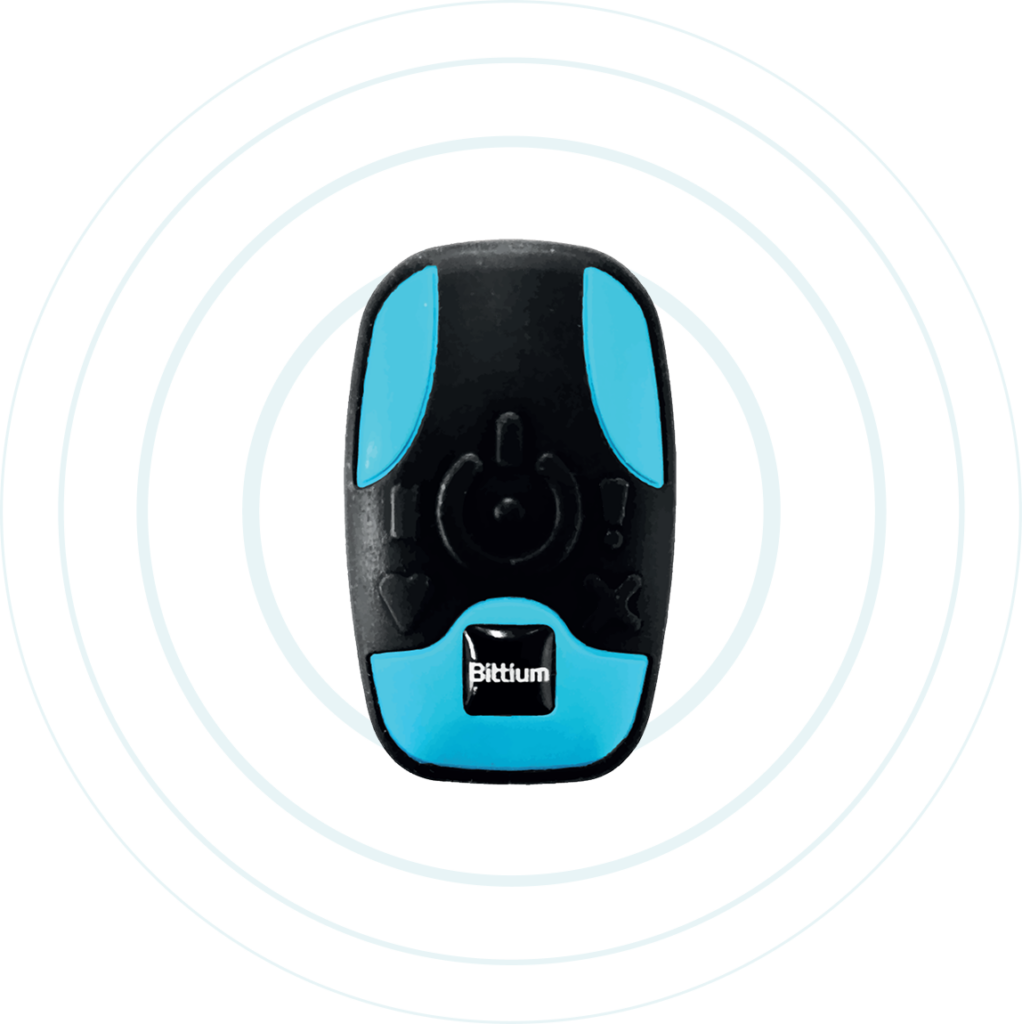
Fortunately, at-home Holter monitoring was designed to solve this very problem.
A 3-day Holter heart monitor, worn through the rhythm of real life – including meals out, a glass of wine with friends, a night of broken sleep – captures continuous cardiac data in a way that a standard ECG snapshot (it takes only 10 seconds) simply cannot.
A Holter records what actually happens to your heart in your actual life, not under controlled conditions. You were it all day and night for 3 days, so if there are patterns to find – episodes of irregular rhythm, suppressed HRV following a drink, nocturnal disturbances – the data will show them.
This Week, Take Five Minutes for Your Heart
World Heart Rhythm Week 2026 is a moment to pause and ask a simple question: do I actually know what my heart is doing?
If you’ve ever felt your heart race after a night out, if you’ve noticed palpitations that come and go, if you’ve wondered whether your drinking habits are having an effect, just know that your heart is generating data every second of every day. The question is whether you’re collecting it.
We’re proud to support WHRW2026 and the important work being highlighted at this week’s virtual coffee morning on alcohol and AFib. It’s a conversation that matters, and one that clinical monitoring can make personal.
If you had one of those moments after a drink when you woke up feeling this odd flutter in your chest, consider taking a closer look at what your heart is doing. Let’s be smart about our heart health and let’s stay heart happy.
Resources:
- BHF UK CVD Factsheet, Jan 2026 | ACC Press Release, May 2021
- Cureus/NIH Holiday Heart Syndrome Review, 2025
- UCSF Cardiology – Alcohol: Friend or Foe?
- NIH/HRV Recovery Study
- WHOOP: Effects of Alcohol on HRV