
Cardiac arrhythmia is a condition in which the heart beats irregularly, either too fast, too slow, or erratically. This disruption in heart rhythm can have serious consequences, including an increased risk of stroke, heart failure, and sudden cardiac arrest. In Europe, it is estimated that atrial fibrillation, the most common type of arrhythmia, affects over 11 million people, and its prevalence is expected to rise due to aging populations and increasing risk factors such as obesity, hypertension, and diabetes.
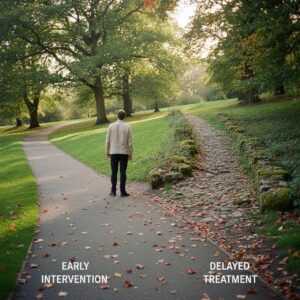
A study published in the European Heart Journal highlights that undiagnosed atrial fibrillation significantly raises the risk of stroke, particularly in older adults. The research suggests that routine ECG screenings for individuals over 65 could prevent thousands of stroke cases annually. The study also calls for improved public awareness of arrhythmia symptoms, which include palpitations, dizziness, shortness of breath, chest pain, and fatigue, to encourage early medical intervention.
Despite advancements in medical technology, many cases of arrhythmia remain undiagnosed until complications arise. Wearable ECG monitors and mobile health applications are emerging tools that allow for earlier detection, helping individuals track their heart rhythms and alerting healthcare professionals to abnormalities. These developments, along with increased accessibility to electrocardiogram (ECG) screenings, play a crucial role in managing and preventing severe cardiac events.
In addition to medical interventions, lifestyle modifications are essential in managing arrhythmia risks. The European Society of Cardiology (ESC) recommends reducing caffeine and alcohol intake, managing stress through relaxation techniques, quitting smoking, and maintaining a healthy weight. Regular exercise, particularly aerobic activities, can help stabilise heart rhythms, while excessive exercise, especially endurance sports, can sometimes exacerbate arrhythmias in those already prone to them.
For patients diagnosed with arrhythmias, treatment options vary based on severity and type. Medications such as beta-blockers, anticoagulants, and antiarrhythmic drugs are commonly prescribed to manage symptoms and prevent complications. In more severe cases, procedures such as catheter ablation, where abnormal heart tissue is destroyed to restore normal rhythm, or implantation of pacemakers and defibrillators, may be necessary.
As awareness of cardiac arrhythmias grows, the emphasis on preventive measures and early detection continues to increase. Health authorities across Europe are promoting screening programs and public health campaigns to educate individuals on recognising symptoms and seeking timely medical advice. The UK’s National Health Service (NHS) has launched initiatives to enhance primary care screening for arrhythmias, ensuring high-risk populations receive timely intervention.
The growing field of digital health is also revolutionising arrhythmia management. AI-powered ECG interpretation, remote patient monitoring, and telemedicine services are improving detection rates and allowing for early treatment, reducing the burden on emergency care. As research and technology continue to advance, the outlook for arrhythmia patients is becoming increasingly optimistic, with improved survival rates and better quality of life.
Reference: Freedman, B., Potpara, T. S., & Lip, G. Y. H. (2021). Stroke prevention in atrial fibrillation. European Heart Journal, 42(40), 4197-4204. https://doi.org/10.1093/eurheartj/ehab593