
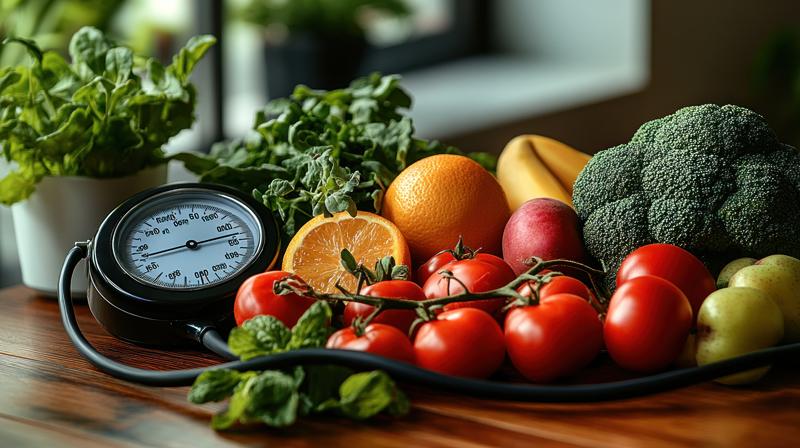
While reducing sodium intake is crucial for controlling blood pressure, increasing dietary potassium is equally important. Potassium plays a vital role in regulating fluid balance, muscle contractions, and nerve signals. More importantly, it counteracts the effects of sodium by helping blood vessels relax, which lowers blood pressure levels.
A meta-analysis published in the European Heart Journal found that individuals who consumed at least 3,500 mg of potassium per day had significantly lower risks of developing stroke and cardiovascular diseases. The research highlighted that potassium helps maintain a healthy balance of electrolytes, making it an essential component of heart health.
Potassium is naturally present in a variety of foods, including bananas, oranges, sweet potatoes, beans, and leafy greens. The Mediterranean diet, which is abundant in potassium-rich foods, has been associated with better cardiovascular health outcomes. Countries such as Italy and Spain, where dietary potassium intake is naturally higher, report lower rates of hypertension compared to nations with a high consumption of processed foods.
Scientific studies continue to support the importance of potassium in cardiovascular health. A review published in the British Medical Journal concluded that potassium supplementation could help lower blood pressure in individuals with hypertension, especially those consuming a high-sodium diet. However, dietary sources of potassium are considered more effective than supplements in maintaining electrolyte balance.
Despite its benefits, increasing potassium intake should be approached with caution for individuals with kidney disease or those taking certain medications, such as diuretics. Excess potassium levels, known as hyperkalaemia, can lead to severe health complications, including irregular heart rhythms.
Simple dietary adjustments can help increase potassium intake naturally. Swapping processed snacks for fresh fruit, choosing whole grains over refined carbohydrates, and adding beans and leafy greens to meals can significantly enhance potassium consumption. Additionally, reducing reliance on processed foods not only limits sodium intake but also increases the proportion of fresh, whole foods in the diet, promoting overall cardiovascular health.
Public health initiatives across Europe continue to emphasize the role of dietary balance in hypertension management. Educational campaigns encourage individuals to make informed food choices, focusing on reducing sodium intake while increasing potassium consumption. Some governments have introduced policies to improve nutritional standards in schools and public institutions, ensuring that meals provided in these settings support cardiovascular health.
For individuals seeking natural methods to improve blood pressure, increasing dietary potassium intake while simultaneously reducing sodium consumption presents an effective and scientifically backed solution. Supported by extensive research and public health policies, this approach provides a foundation for long-term cardiovascular health improvements.
Reference: Aburto, N. J., Hanson, S., Gutierrez, H., Hooper, L., Elliott, P., & Cappuccio, F. P. (2013). Effect of increased potassium intake on cardiovascular risk factors and disease: systematic review and meta-analyses. European Heart Journal, 34(22), 1508-1515. https://doi.org/10.1093/eurheartj/ehs017