Light is the primary environmental cue for synchronising circadian rhythms. Exposure to natural light in the morning helps regulate sleep-wake cycles, hormone release, and cognitive function, whereas excessive artificial light exposure at night can lead to circadian disruption and associated health issues.
A study published in Nature Communications examined the impact of light exposure on circadian alignment and sleep quality. The findings indicated that individuals who received sufficient daylight exposure exhibited better sleep efficiency, improved mood, and enhanced cognitive performance compared to those with minimal natural light exposure.
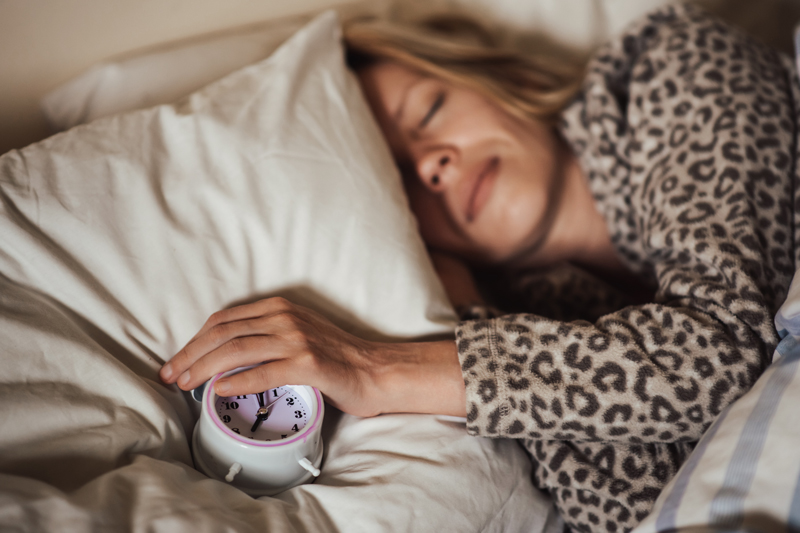
Blue light, emitted by screens and artificial lighting, is particularly disruptive to circadian rhythms. It suppresses melatonin production, delaying sleep onset and reducing sleep quality. Reducing screen exposure before bedtime and using blue light filters can help mitigate these effects and support healthy circadian function.
Incorporating natural light into daily routines, such as spending time outdoors in the morning and keeping workspaces near windows, can improve circadian health. Bright light therapy is also an effective intervention for individuals experiencing seasonal affective disorder (SAD) and circadian rhythm disorders.
Urban planning that prioritises natural light exposure in residential and workplace environments can significantly contribute to improved public health. Educational institutions and workplaces should consider optimising lighting conditions to support circadian alignment, potentially enhancing productivity and cognitive function.
With increasing reliance on technology, it is essential to raise awareness about the importance of light exposure in regulating circadian rhythms. Implementing lifestyle changes that align with the body’s natural biological clock can have far-reaching health benefits, including improved sleep quality and mental well-being.
Reference: Chellappa, S. L., Steiner, R., Oelhafen, P., Lang, D., & Cajochen, C. (2017). Acute exposure to evening blue-enriched light impacts on human sleep. Nature Communications, 8(1), 13792. https://doi.org/10.1038/ncomms13792