
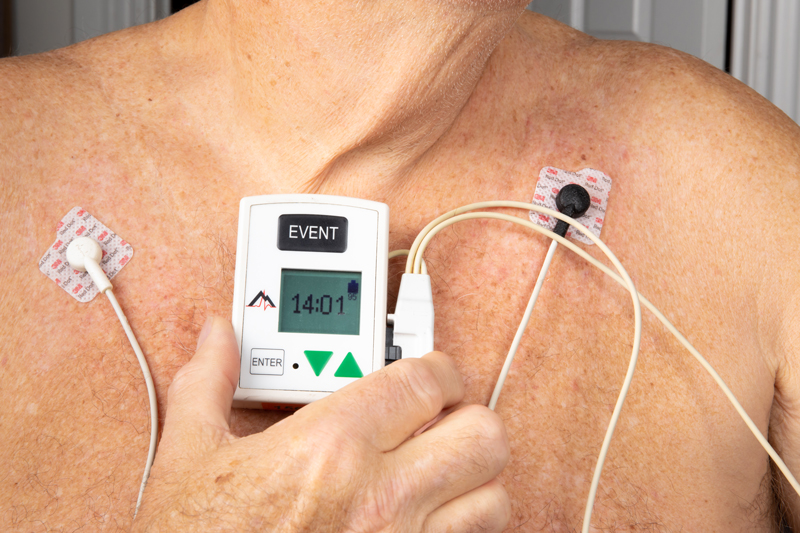
Electrocardiogram (ECG) monitoring is a crucial tool in diagnosing and managing cardiac arrhythmias. ECG tests record the electrical activity of the heart, allowing healthcare professionals to detect abnormalities in heart rhythm that could lead to serious health conditions. With recent technological advancements, wearable ECG devices and remote monitoring systems are enhancing the detection and management of arrhythmias in everyday life.
A study published in The Lancet Digital Health found that continuous ECG monitoring, particularly using wearable devices, significantly improves the detection rate of intermittent arrhythmias such as atrial fibrillation. The research suggests that early identification through long-term monitoring could prevent life-threatening complications such as stroke and heart failure. The study emphasises that individuals at high risk, such as those with hypertension or a history of stroke, should be prioritised for continuous monitoring.
Traditional ECG testing, conducted in hospitals and clinics, provides only a short snapshot of heart activity, making it difficult to diagnose arrhythmias that occur sporadically. However, advancements in digital health have led to the development of portable ECG monitors, including smartwatches and patch-based devices that can record heart activity for extended periods. These technologies enable real-time tracking and provide physicians with more comprehensive data to improve diagnostic accuracy.
The NHS has introduced screening initiatives that provide wearable ECG patches to patients at risk of undiagnosed arrhythmias. These patches can monitor heart activity for several days, significantly increasing detection rates compared to traditional short-term ECG readings. Some UK hospitals have integrated digital health platforms that allow patients to upload ECG readings directly to their healthcare provider, facilitating quicker diagnoses and treatment adjustments.
Despite these advancements, challenges remain, including false positive readings and ensuring proper follow-up care. Some European healthcare systems are integrating artificial intelligence (AI) into ECG analysis to improve accuracy and efficiency in detecting true arrhythmic events. AI-enhanced ECG interpretation could reduce unnecessary medical interventions while ensuring timely care for those who need it most. By combining AI with machine learning algorithms, researchers hope to develop predictive models that can identify arrhythmias before they become symptomatic.
For patients already diagnosed with arrhythmias, ECG monitoring plays a crucial role in treatment management. Remote monitoring can track the effectiveness of medications, detect arrhythmia recurrence, and guide treatment adjustments without requiring frequent hospital visits. This is particularly beneficial for patients living in rural or underserved areas, as it reduces the need for in-person consultations while maintaining continuous care.
As healthcare technology continues to evolve, integrating ECG monitoring into routine health check-ups and expanding accessibility to wearable devices could drastically reduce the burden of cardiac arrhythmias across Europe. Public health initiatives should focus on increasing awareness of arrhythmia symptoms and promoting the use of mobile health technology to enhance early detection and intervention.
Reference: Guo, Y., Wang, H., Zhang, H., Liu, T., Liang, Z., Xia, Y., … & Lip, G. Y. H. (2022). Mobile health technology for atrial fibrillation screening. The Lancet Digital Health, 4(1), e17-e26. https://doi.org/10.1016/S2589-7500(21)00244-4