
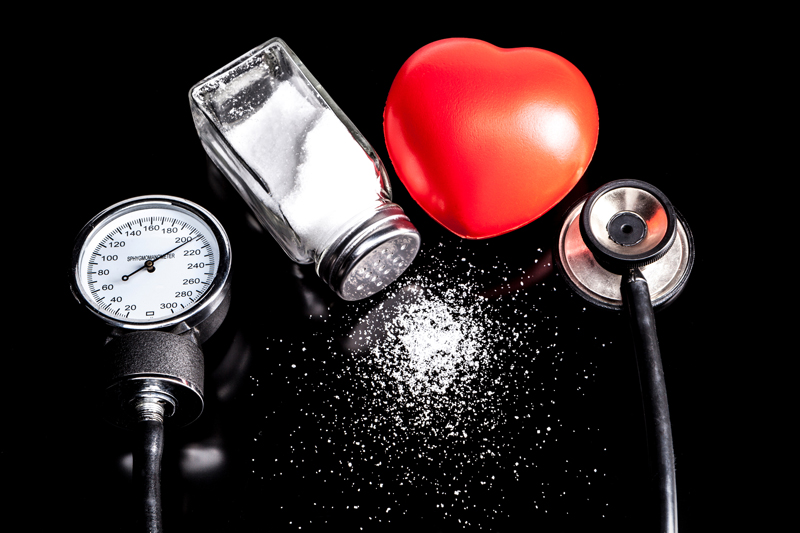
High blood pressure, or hypertension, is a leading cause of heart disease and stroke worldwide. One of the most significant dietary factors contributing to hypertension is excessive salt consumption. High sodium intake leads to water retention, increasing blood volume and exerting additional pressure on arterial walls. Reducing salt intake has been shown to lower blood pressure and reduce cardiovascular disease risk.
A study by Queen Mary University of London found that cutting daily salt intake by just 1 gram could prevent around 9 million cases of stroke and heart attack globally by 2030, potentially saving up to 4 million lives. Published in BMJ Global Health, the research highlights how even minor reductions in sodium consumption can yield substantial public health benefits.
The UK’s National Health Service (NHS) recommends that adults consume no more than 6 grams of salt per day. However, current dietary habits mean that many individuals exceed this limit, mainly due to processed and takeaway foods. Public Health England has implemented initiatives to encourage food manufacturers to reduce sodium levels in their products, similar to successful policies in Finland, where hypertension-related health issues have declined significantly.
Beyond government action, individuals can take practical steps to reduce salt intake. Cooking at home rather than relying on processed foods allows better control over sodium consumption. Substituting herbs and spices for salt can help enhance flavour while lowering health risks. Reading food labels carefully and opting for ‘low salt’ or ‘no added salt’ versions of common products is another simple yet effective approach.
Scientific evidence supports the link between reduced salt intake and improved cardiovascular health. A long-term study published in The Lancet found that lower sodium consumption was associated with reduced systolic and diastolic blood pressure across all age groups. Additionally, individuals who adhered to a low-sodium diet experienced a lower incidence of strokes and heart attacks.
A population-wide reduction in salt consumption could lead to significant improvements in public health. While personal dietary changes play an essential role, large-scale policy changes—such as food reformulation and consumer education—are vital to ensuring sustained reductions in hypertension rates. Governments across Europe continue to push for stricter regulations on food manufacturers to limit sodium content, following the lead of countries like Finland, where stroke and heart disease rates have dropped since implementing salt-reduction policies.
By making small yet conscious decisions to limit salt intake and adopt a well-balanced diet, individuals can significantly reduce their risk of hypertension and cardiovascular disease. When combined with broader public health initiatives, reducing sodium consumption remains one of the most effective strategies for managing blood pressure and improving overall health outcomes.
Reference: He, F. J., Tan, M., Ma, Y., & MacGregor, G. A. (2020). Salt reduction to prevent hypertension and cardiovascular disease. BMJ Global Health, 5(10), e003806. https://doi.org/10.1136/bmjgh-2020-003806