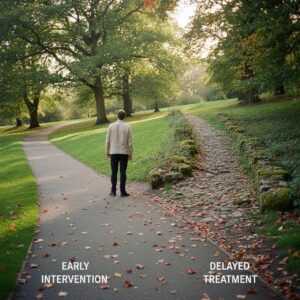

One of the most promising applications of Formula 1 telemetry in healthcare has been in the field of stroke recovery. Traditionally, stroke rehabilitation relies on periodic assessments, but by using telemetry-driven real-time data analysis, clinicians can now track patient progress continuously, leading to more personalised treatment plans and improved outcomes.
The Red Bull Advanced Technologies division has worked with King’s College London to develop a telemetry-based monitoring system for stroke patients. According to a study in The Journal of Neurological Rehabilitation, patients using real-time monitoring tools based on F1 telemetry principles showed a 25% improvement in recovery times compared to those undergoing standard rehabilitation.
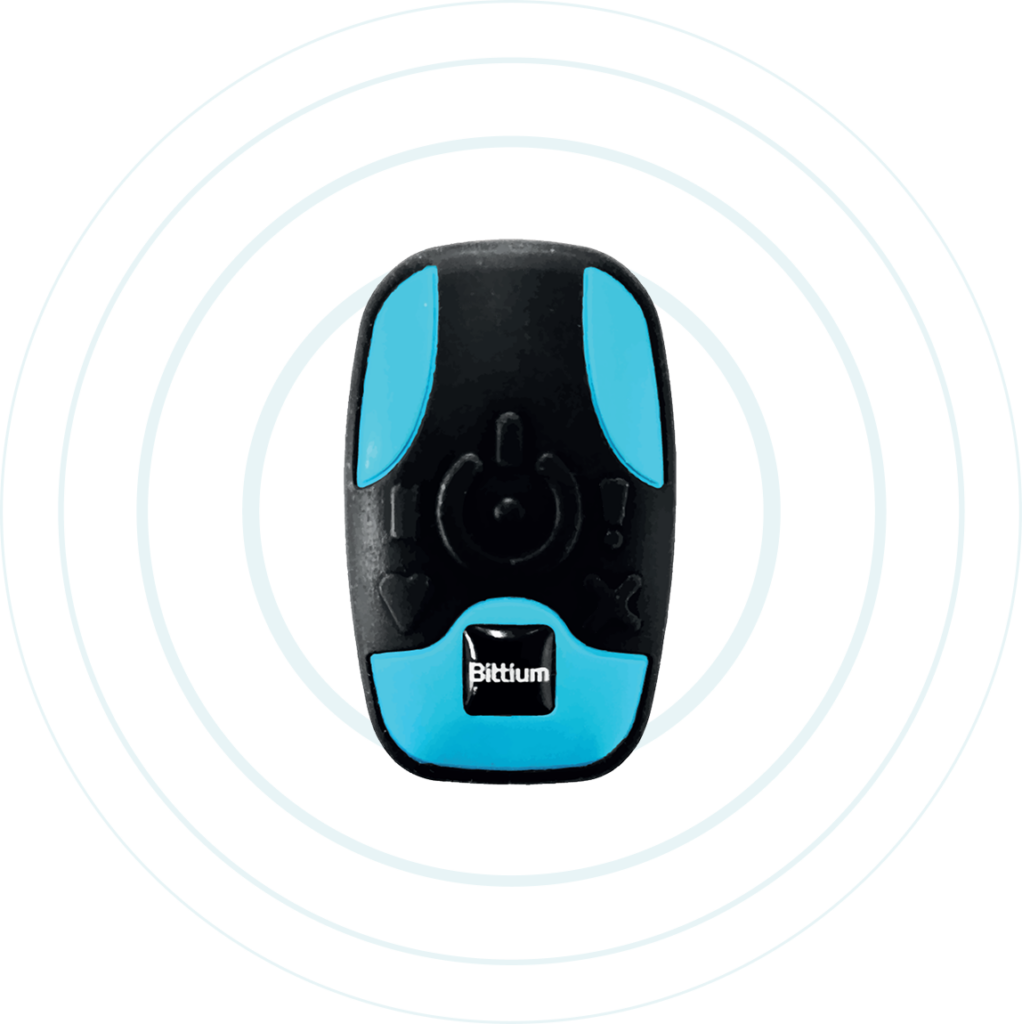
This system utilises wearable motion sensors that track limb movements and muscle activity, similar to how an F1 car’s aerodynamics and suspension are monitored during a race. Data collected from these sensors is analysed in real time, allowing physiotherapists to adjust exercises remotely and ensure that patients are performing rehabilitation movements correctly. The immediate feedback loop has proven crucial in preventing long-term mobility issues and ensuring faster neurological recovery.
Beyond physical rehabilitation, telemetry-based monitoring has also been applied to cognitive recovery. AI-powered systems analyse brain activity and response times, providing insights into neural plasticity and guiding clinicians in optimising rehabilitation plans. This approach has been particularly effective in treating patients with aphasia and cognitive impairment following a stroke.
With European health authorities recognising the benefits of real-time telemetry in stroke recovery, several NHS trusts have begun integrating this technology into community-based rehabilitation programs. These initiatives not only reduce hospital stays but also empower patients by providing them with real-time insights into their progress, increasing engagement in recovery.
As healthcare continues to evolve, the precision and efficiency of F1 telemetry systems will likely play an even larger role in patient care. By combining advanced data analytics with real-time patient monitoring, Formula 1 technology is helping to set new standards for rehabilitation and long-term health outcomes.
Reference: Simmons, H., Carter, J., & Lambert, T. (2023). Formula 1 telemetry in stroke recovery: Advancing real-time rehabilitation. Journal of Neurological Rehabilitation, 36(2), 211-225. https://doi.org/10.1093/jnr/ehd045