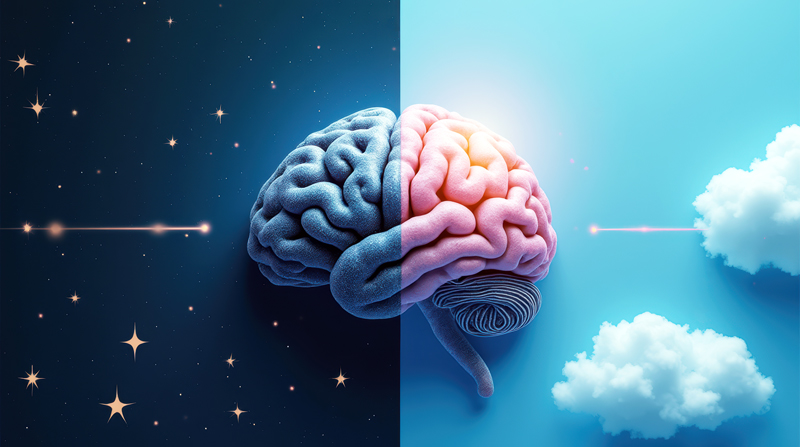
Circadian rhythms influence cognitive performance, attention, and memory consolidation. Disruptions to these rhythms have been associated with cognitive decline, increased risk of neurodegenerative diseases, and impaired learning capacity.
A study published in the European Journal of Neuroscience found that individuals with regular circadian alignment performed better on cognitive tasks, exhibited faster reaction times, and had improved memory retention compared to those with irregular sleep-wake cycles.
Aging and shift work have been identified as key factors that disrupt circadian rhythms and negatively impact cognitive function. Strategies to improve cognitive health include maintaining a regular sleep schedule, optimising light exposure, and engaging in mentally stimulating activities during peak cognitive hours.
Recent research has also highlighted the role of circadian rhythms in neurodegenerative diseases such as Alzheimer’s and Parkinson’s. Disruptions in sleep-wake cycles and altered melatonin production have been linked to an increased accumulation of amyloid-beta plaques in the brain, a hallmark of Alzheimer’s disease. Interventions aimed at preserving circadian integrity, such as structured sleep schedules and controlled light exposure, may help mitigate cognitive decline in aging populations.
Cognitive performance is also influenced by meal timing and physical activity. Engaging in physical exercise during daylight hours and consuming a balanced diet aligned with natural circadian cycles can support optimal brain function.
With modern lifestyles increasingly disrupting natural circadian cues, raising awareness of the relationship between biological rhythms and cognitive health is crucial. Workplaces and educational institutions can integrate circadian-friendly policies to promote well-being and cognitive function.
Reference: Mander, B. A., Winer, J. R., & Walker, M. P. (2017). Sleep and human aging: How old brains respond to the night. European Journal of Neuroscience, 45(1), 2-19. https://doi.org/10.1111/ejn.13456