Telemetry has long been a cornerstone of Formula 1, allowing teams to collect real-time data from their cars to optimise performance and predict potential failures. This sophisticated data collection and analysis have found applications in healthcare, particularly in intensive care units (ICUs), where real-time monitoring of patient vitals can be crucial in preventing complications.
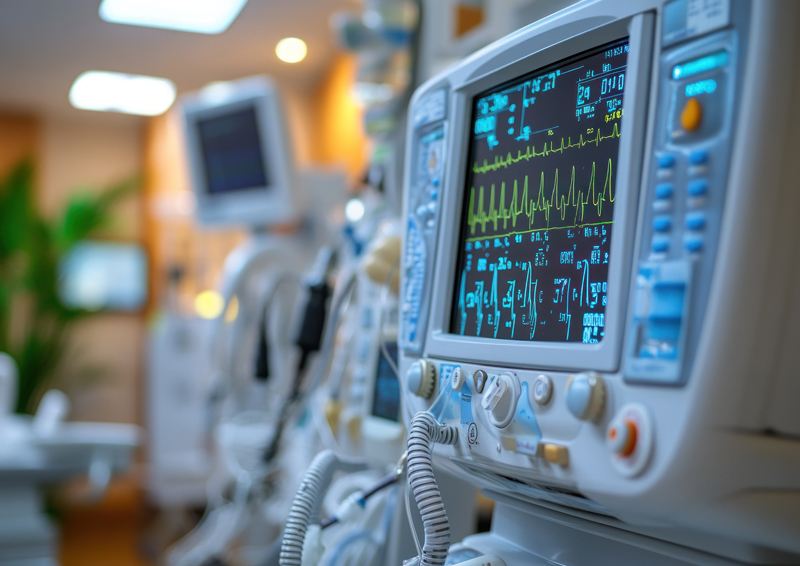
A partnership between McLaren Applied Technologies and the University of Oxford has led to the adaptation of F1 telemetry systems for continuous patient monitoring in hospitals. A study published in The European Journal of Intensive Care Medicine demonstrated that applying F1-style telemetry to ICU settings reduced response times to critical events by 30%. By using real-time data analytics, healthcare teams were able to identify early signs of deterioration in patients, particularly those suffering from sepsis and respiratory failure.
The key advantage of this technology lies in its predictive capabilities. Just as an F1 car transmits thousands of data points per second to engineers in the pit lane, hospital patients can be continuously monitored, with AI-driven analysis identifying potential health risks before they become emergencies. This has revolutionised patient care in European hospitals, reducing ICU admissions and improving survival rates for critically ill patients.
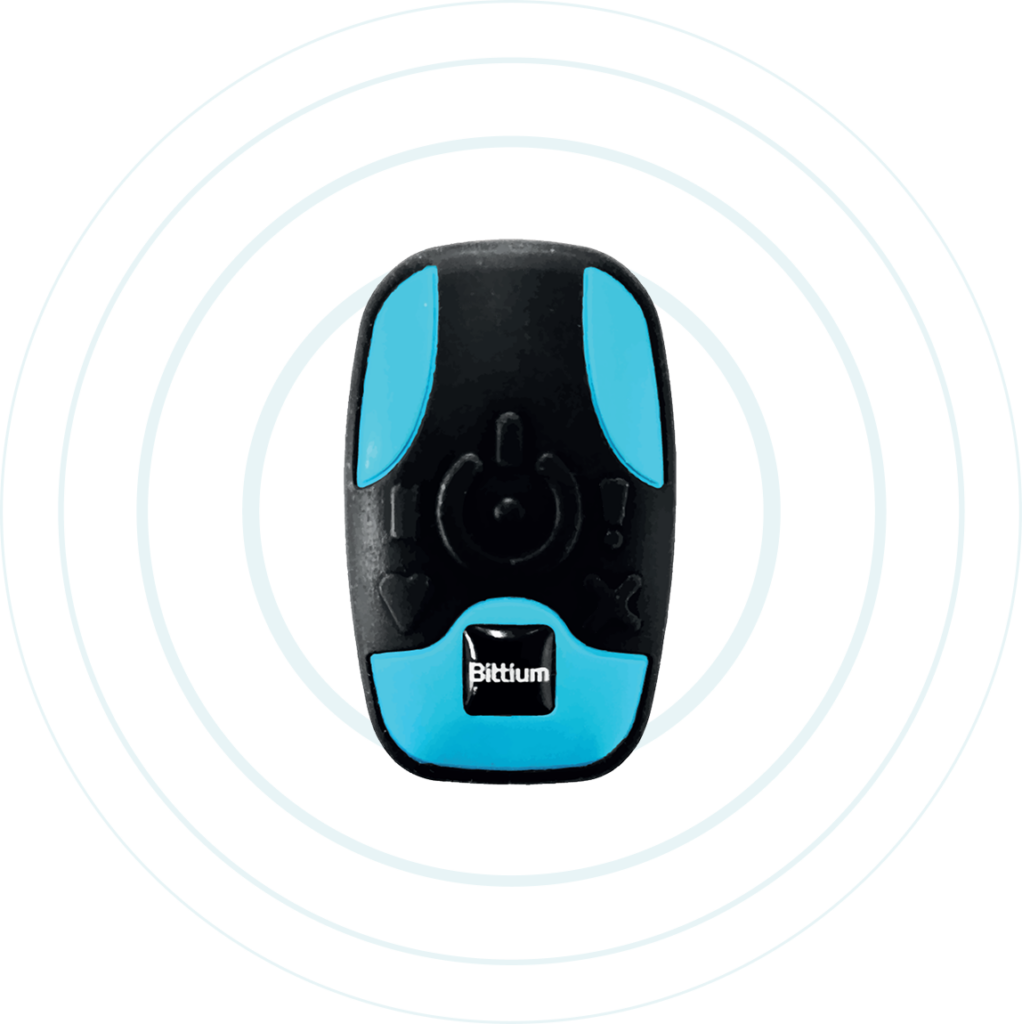
Further applications of telemetry-inspired healthcare technology include mobile monitoring for high-risk patients. Wearable devices equipped with sensors, developed with input from F1 engineers, allow healthcare providers to monitor heart rate, oxygen levels, and movement patterns remotely. These systems are particularly valuable for post-operative patients and those with chronic conditions who require continuous assessment but not necessarily hospitalisation.
With the NHS and European healthcare systems increasingly investing in digital transformation, the lessons learned from F1 telemetry are set to play an even greater role in predictive medicine. Future developments may include wireless remote monitoring systems capable of tracking patients at home, reducing hospital admissions while maintaining high standards of care.
Reference: Johnson, P., Whitmore, C., & Davies, M. (2023). Predictive patient monitoring: Lessons from Formula 1 telemetry. European Journal of Intensive Care Medicine, 42(6), 789-804. https://doi.org/10.1093/ejicm/ehf032