
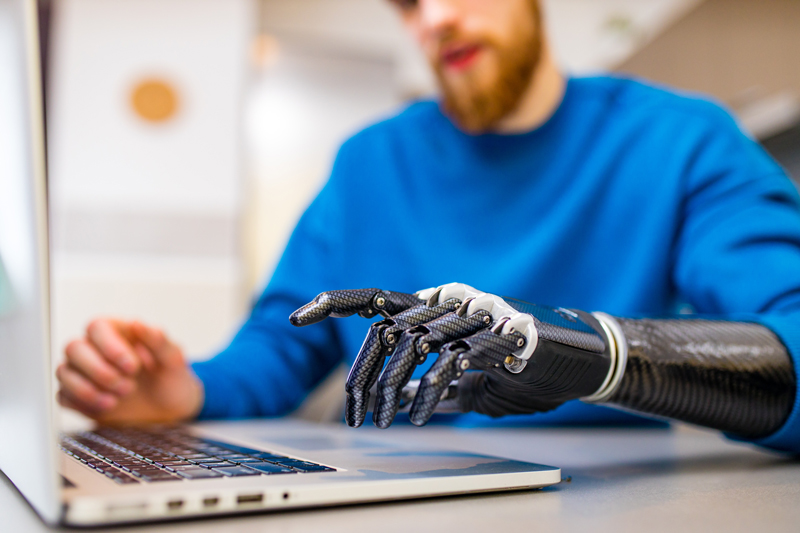
Formula 1 is at the forefront of materials science, constantly developing lightweight, strong, and durable materials to enhance car performance. This expertise has found significant applications in the field of prosthetics, where the same carbon fibre and composite materials used in F1 cars are now being applied to create advanced prosthetic limbs that are lighter, stronger, and more comfortable for users.
McLaren Applied Technologies has worked with UK-based prosthetics manufacturers to integrate carbon fibre technology into the design of artificial limbs. The goal is to improve durability and reduce weight, providing enhanced mobility and comfort for amputees. A study published in The Journal of Prosthetic Science found that prosthetic limbs designed with carbon fibre derived from F1 technology offered a 35% reduction in weight while increasing strength by 20% compared to traditional prosthetic materials.
European Paralympic athletes have benefited from these innovations, with high-performance running blades now featuring the same aerodynamics and structural integrity principles as F1 car components. This has allowed for greater energy efficiency, reduced fatigue, and improved overall performance. Beyond athletics, these advancements have enhanced the everyday experience of amputees, enabling them to move more freely and comfortably.
Another area of F1-inspired innovation is sensor integration. Advanced prosthetic limbs now include real-time telemetry systems that analyse movement and adjust accordingly, much like how F1 teams monitor and fine-tune their cars during a race. This development, supported by Ferrari’s research team, has enabled prosthetic users to experience improved balance, control, and responsiveness.
With continued partnerships between motorsport engineering teams and medical technology companies, the future of prosthetics is set to become even more advanced. Developments such as bio-integrated sensors and AI-driven adaptation models promise to revolutionise how prosthetic limbs interact with the human body, offering a seamless user experience and higher quality of life.
Reference: Harrison, T., Patel, R., & Michelson, S. (2023). Carbon fibre in advanced prosthetics: Lessons from Formula 1 engineering. The Journal of Prosthetic Science, 39(3), 287-300. https://doi.org/10.1093/jprosci/ehc056